
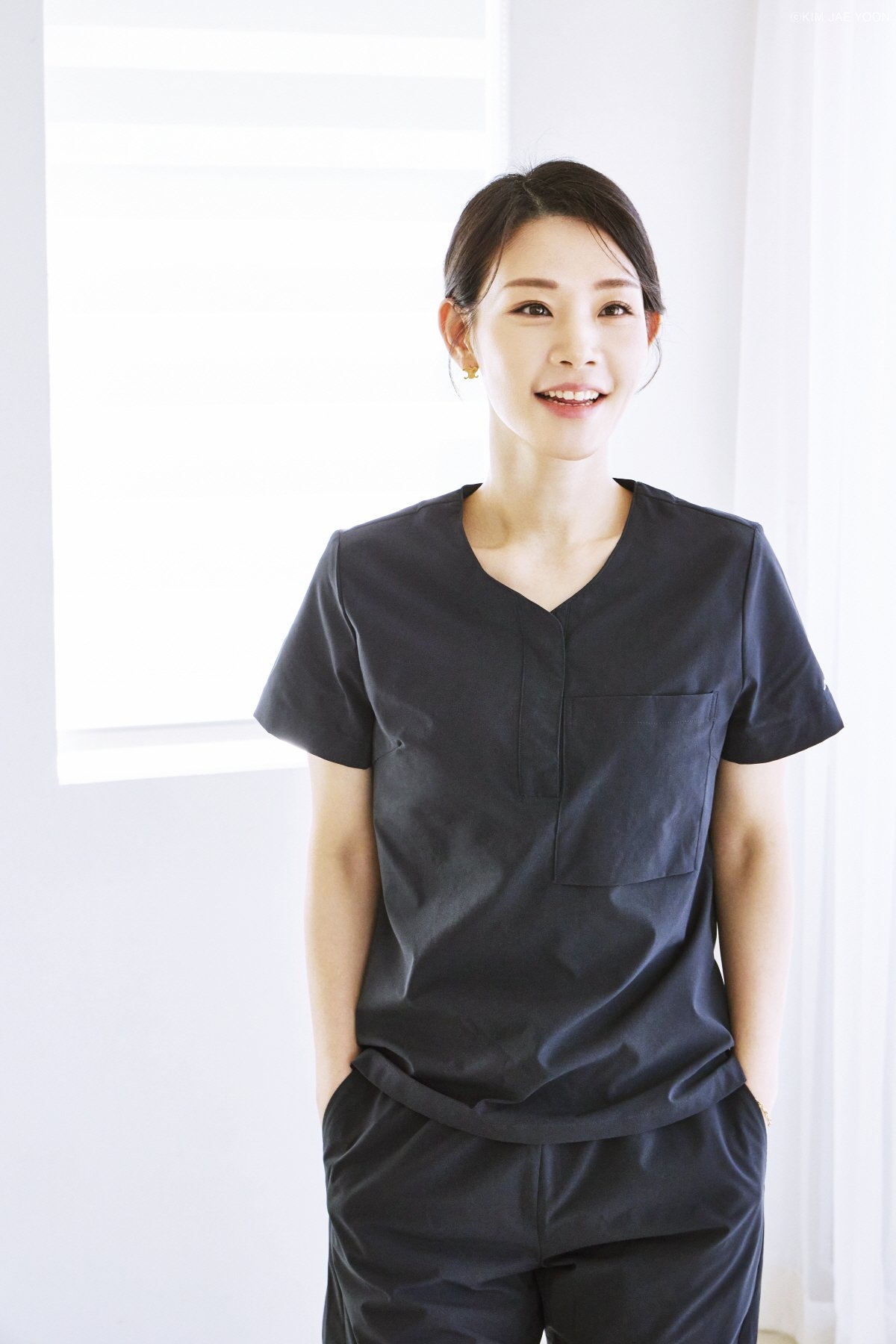
Gangnam body contouring clinic: Understanding the Options
Body contouring is an umbrella term for approaches that address the shape or appearance of an area of the body. A treatment may focus on localized fat, skin appearance, or a combination of concerns. The right approach depends on what is causing the concern, not simply where it appears. A consultation is an opportunity to discuss your health, your goals, and whether a particular technique is appropriate. It is also important to distinguish general information about body contouring from the services available at a particular clinic.
What body contouring can address
Some people seek body contouring for a localized area that remains noticeable despite changes in eating habits or physical activity. Others are more concerned about loose skin or a change in body shape after weight loss. These concerns are not interchangeable: fat, skin, muscle, and underlying anatomy each contribute to appearance. Identifying the main concern helps guide a discussion about whether treatment is likely to address the result a person has in mind.
Body contouring is not a substitute for treatment of a medical condition, and it should not be viewed as a general method of weight loss. A change in shape can also have causes unrelated to cosmetic concerns. For example, a new lump, unexplained swelling, or persistent pain deserves medical assessment rather than an assumption that contouring is appropriate. During a consultation, describe when you noticed the change and whether it has altered over time. Bringing a clear description of your concern helps the medical staff understand what you want to address and whether further evaluation should come before any discussion of cosmetic treatment. A treatment plan should begin with an assessment, not with a predetermined procedure.
Body contouring describes a range of approaches, rather than a single treatment. Understanding whether the concern involves fat, skin, or another change is the starting point for a useful consultation.
Surgical and nonsurgical approaches
Surgical body contouring can involve removing fat, removing excess skin, or reshaping tissue through an operation. Liposuction is one example of a surgical technique used to remove localized fat. Other operations may address excess skin, depending on the person’s circumstances. Surgery involves incisions and recovery, and the appropriate approach depends on an individual assessment.
Nonsurgical approaches use devices or other techniques without the same type of operation. Depending on the method, treatment may target fat or aim to improve the appearance of skin. Examples discussed in body-contouring care include controlled cooling, radiofrequency, and ultrasound-based techniques. These approaches do not all work in the same way, and a treatment intended for fat should not automatically be expected to correct significant excess skin. Ask what a proposed treatment is designed to address, how it is performed, and what limitations apply to your concern. The discussion should also cover whether another type of assessment or treatment would be more appropriate. Availability of individual techniques should be checked with our clinic.
Setting a realistic goal
A useful goal describes the area you want to address and the change you hope to see. It also leaves room for a medical assessment of what is practical. Rather than asking for a particular device by name, explain whether your main concern is fullness, loose skin, or a change in shape. This gives the attending doctor a clearer basis for discussing options and their limitations.
Results depend on the technique and the individual. Some approaches produce changes gradually, and more than one session may be discussed for certain nonsurgical treatments. Surgery has its own recovery process, during which swelling can affect appearance. Ask how progress will be assessed and when it would be reasonable to evaluate the outcome. No procedure can promise a particular appearance.
| Concern to discuss | Question to ask |
|---|---|
| Localized fullness | Is the concern related to fat, and which approaches address it? |
| Loose skin | Can the proposed approach address excess skin? |
| Recovery | What restrictions or aftercare might the approach involve? |
| Expected change | When and how will the outcome be assessed? |
The answers to these questions help you compare the proposed approach with your own priorities. Recovery, the expected extent of change, and the need for follow-up may matter as much as the technique itself. Before agreeing to treatment, make sure you understand both its intended effect and its limits. If an explanation is unclear, ask the medical staff to describe it in plain language.

Gangnam body contouring clinic: Comparing Techniques
Body-contouring techniques differ in how they act on tissue and what kind of recovery they involve. An informed comparison starts with the problem a treatment is intended to address, followed by its process, possible risks, and expected course of recovery. The following overview explains common approaches in general terms; it does not imply that every technique is available at onesclinic.
Fat-focused treatments
Liposuction removes fat through a surgical procedure. Nonsurgical fat-focused approaches work differently: for example, controlled cooling is used to target fat cells without surgically removing them. An assessment is necessary to determine whether either type of approach is suitable for an individual and the area being considered. The amount of change, recovery, and risks differ by technique.
A fat-focused treatment does not necessarily address loose skin. This distinction matters when someone notices both fullness and reduced skin firmness in the same area. The medical staff can examine the concern and explain whether the proposed method matches the goal. Ask how the area will be assessed, what preparation is needed, and what changes might be expected over time. Discuss your medical history and any medications before treatment. Depending on the procedure, health conditions, previous operations, or other factors may affect suitability or preparation. If you are considering surgery, ask about anesthesia, follow-up, and who will provide care during recovery. For nonsurgical treatment, ask how the device works and what sensations or temporary changes to expect.
Fat-focused treatments differ in technique, recovery, and the concerns they can address. A useful comparison looks beyond the name of a procedure to its purpose and suitability for the individual.
Skin-focused approaches
Skin firmness and excess skin are separate considerations from localized fat. Some nonsurgical treatments use energy-based devices with the aim of improving the appearance of skin. Surgical approaches may be considered when excess skin is the primary concern. The extent of skin change, a person’s health, and the intended result all matter when discussing these options.
Before choosing a skin-focused treatment, ask what degree of change the approach is intended to produce and whether it addresses the type of skin concern you have. A device-based treatment and an operation are not interchangeable: they involve different procedures, aftercare, and potential risks. For any proposed treatment, ask whether skin irritation, discomfort, or other effects are possible and what to do if they occur. For surgery, discuss the possibility of scarring as well as the expected recovery. Changes may take time, depending on the treatment and individual condition. A clear follow-up plan helps you understand when to raise concerns and when to assess the outcome.
Points to consider before treatment
All procedures require a discussion of potential risks. Depending on the technique, these may include discomfort, swelling, bruising, changes in sensation, skin injury, or infection. Surgical procedures also carry risks associated with anesthesia and healing. Rare complications can occur with nonsurgical treatments as well; controlled cooling, for example, can rarely cause an increase in fat in the treated area rather than a reduction.
Tell the medical staff about existing health conditions, allergies, medications, supplements, and previous procedures in the area. Ask whether any of these factors change the recommendation or require additional assessment. Do not stop prescribed medication without advice from the clinician responsible for your care. If you have an unexplained lump, pain, or swelling, raise it before discussing cosmetic treatment.
| Topic | What to discuss |
|---|---|
| Medical history | Conditions, allergies, and previous procedures |
| Medication | Prescriptions, nonprescription medicines, and supplements |
| Procedure | How it works, its intended effect, and its limitations |
| Safety | Potential complications and when to seek help |
Informed consent is more than agreeing to a procedure. It means having an opportunity to ask about alternatives, understand the potential benefits and risks, and decide whether to proceed. You can also ask what happens if the treatment does not produce the change you expected. Take time to consider the explanation and request clarification on any part of the plan that remains unclear.

Gangnam body contouring clinic: Preparing for a Consultation
A consultation is most useful when it connects your goals with your health history and an examination of the area. onesclinic provides care in internal medicine and family medicine. If you are interested in body contouring, ask our medical staff whether an assessment is appropriate and which services are available. A discussion can also help identify concerns that need medical evaluation before cosmetic options are considered.
What to bring and discuss
Prepare a concise account of the area that concerns you, when you first noticed it, and whether it has changed. Bring a list of medications and supplements, along with details of relevant health conditions or previous procedures. If you have questions about a particular approach, write them down so you can discuss them during the appointment.
Explain the result you are hoping for without assuming that a specific technique will be suitable. For instance, you might describe discomfort with localized fullness or concern about skin looseness after weight loss. If the area is painful, swollen, or changing unexpectedly, say so clearly. Those details help the medical staff consider whether the issue needs a different kind of assessment. You can also discuss practical considerations, such as time available for recovery and any activities you may need to pause. A good plan takes both medical suitability and your daily circumstances into account. Ask for an explanation of the proposed next steps before making a decision.
A well-prepared consultation begins with your concern, health history, and goals. It should end with a clear understanding of the recommended next steps, including whether further assessment is needed.
Questions about recovery and follow-up
Recovery varies by procedure. Ask what you may feel immediately afterward, which activities may need to be limited, and what aftercare is recommended. If a procedure involves an incision, discuss wound care and the expected course of healing. For device-based treatment, ask about possible changes in skin sensation or appearance and how long these may last.
It is also useful to establish how to contact the medical staff if something does not seem right. Ask which symptoms require prompt attention and whether a follow-up visit is planned. Increasing pain, significant swelling, fever, or other concerning symptoms after a procedure should not be dismissed; seek medical advice promptly. The specific instructions will depend on the treatment and your circumstances. Before leaving an appointment, make sure you understand any written guidance and know whom to contact with questions. If additional sessions are discussed, ask why they may be recommended and how the response to treatment will be assessed before proceeding.
Discussing cost and deciding whether to proceed
Cost depends on the assessment, the proposed approach, and any associated care. Ask for an explanation of what is included before agreeing to treatment. Depending on the plan, it may be helpful to discuss consultation fees, the procedure itself, follow-up, and any additional sessions. This makes it easier to understand the overall commitment without relying on assumptions.
You do not have to choose a treatment during the first discussion. Consider whether the explanation addressed your goals, alternatives, potential risks, and recovery. If you are uncertain, ask further questions or take time to review the information. A decision should reflect your understanding and preferences, as well as the attending doctor’s assessment of suitability.
| Before deciding | Point to clarify |
|---|---|
| Suitability | Why is the proposed approach appropriate for my concern? |
| Alternatives | What other options can I consider, including no treatment? |
| Aftercare | What should I expect during recovery and follow-up? |
| Fees | What is included in the proposed cost? |
Body contouring is a personal decision, but it should rest on a clear medical discussion rather than a promise of a particular result. If a treatment is proposed, ask for the name of the technique and an explanation of its purpose. Understanding the plan gives you a basis for deciding whether it fits your health needs, expectations, and circumstances.

Frequently Asked Questions
Q.What kind of care does onesclinic provide?
A.onesclinic provides internal medicine and family medicine care. Ask our medical staff about body-contouring assessments and available services.
Q.Who should ask about a body-contouring assessment?
A.A person concerned about localized fullness or loose skin can discuss those concerns with our medical staff. An unexplained lump, pain, or swelling should also be assessed.
Q.What body-contouring techniques can I discuss?
A.You can ask about surgical and nonsurgical approaches, including how they differ in purpose, recovery, and risks. Ask our medical staff which services are available and whether an approach is suitable for you.
Q.What should I prepare before a consultation?
A.Bring a list of your medications and supplements, along with details of relevant health conditions and previous procedures. Be ready to describe the area of concern and your goals.
Q.Where is onesclinic, and how can I contact our clinic?
A.onesclinic is at 308 Apgujeong-ro, Gangnam-gu, Seoul. Call 02-516-1226 to ask about an appointment.
Clinic Information
| Clinic | onesclinic |
|---|---|
| Specialty | Internal Medicine,Family Medicine |
| Address | 서울특별시 강남구 압구정로 308 |
| Phone | 025161226 |
| Website | https://www.onesclinic.co.kr/ |
| Specialist | Specialist care |
 whatsapp